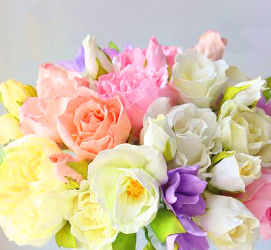
Essential tips for thriving and vibrant hydrangeas
Posted on 24/05/2025
Essential Tips for Thriving and Vibrant Hydrangeas
Hydrangeas are beloved flowering shrubs celebrated for their lush, voluminous blooms and stunning hues that transform gardens into vibrant landscapes. With the right care and attention, hydrangeas can flourish, rewarding you with endless color and breathtaking beauty. Whether you're a seasoned gardener or a passionate beginner, this comprehensive guide will walk you through essential tips for thriving and vibrant hydrangeas, covering everything from ideal planting conditions to pest management and beyond.
Understanding Your Hydrangea: A Quick Overview
Before diving into hydrangea care tips, it's important to understand the different types commonly grown in gardens. The primary varieties include:
- Hydrangea macrophylla (Bigleaf or Mophead)
- Hydrangea paniculata (Panicle or PeeGee)
- Hydrangea quercifolia (Oakleaf)
- Hydrangea arborescens (Smooth, e.g., 'Annabelle')

Choosing the Right Location for Hydrangeas
Location has a profound impact on hydrangea health and flowering capabilities. Consider these factors when selecting a site for planting:
- Light: Most hydrangeas prefer morning sun and afternoon shade, especially in hotter climates. Too much shade leads to fewer blooms; too much harsh sun scorches leaves.
- Air circulation: Good airflow prevents diseases. Avoid enclosed, stagnant spots.
- Shelter: Protect hydrangeas from strong, drying winds that damage foliage and flowers.
_An optimal location ensures your hydrangeas will truly thrive and foster more vibrant, lasting blooms._
Soil Preparation: The Key to Thriving Hydrangeas
The foundation of flourishing hydrangeas is healthy, well-prepared soil. For the most vibrant hydrangea results:
- Soil pH: Hydrangeas tolerate a range of pH, but Macrophylla types change flower color according to soil acidity (acidic soil yields blue blooms; alkaline soil gives pink flowers).
- Drainage: Hydrangeas detest waterlogged roots. Amend heavy clay with compost, peat moss, or sand to improve drainage.
- Organic content: Feed the soil with rich compost or well-rotted manure for robust, thriving plants.
Tip: Test your soil before planting; amend as needed for vivid and healthy hydrangeas.
Proper Planting for Lush Hydrangea Growth
To establish strong, healthy hydrangea shrubs:
- Dig a hole twice as wide and equally deep as the root ball.
- Gently tease out circling roots before planting.
- Backfill with amended soil and water thoroughly.
- Mulch generously to retain moisture, regulate temperature, and prevent weeds.
Spacing matters: Bigleaf and similar hydrangeas need at least 3-6 feet between plants for the best air circulation and growth.
Watering Hydrangeas: Keeping Them Happy
Consistent moisture is vital for loosely hydrated hydrangeas:
- Water deeply at least once a week, more during hot spells.
- Early morning watering is best to minimize moisture loss.
- Avoid overhead watering to reduce leaf diseases; use soaker hoses or direct water to the base.
- Mulching further helps conserve moisture and keeps roots cool.
Fertilizing for Abundant, Vibrant Blooms
Fertilize wisely for abundant and colorful hydrangea flowers.
- Apply a balanced, slow-release fertilizer (10-10-10 or 12-4-8) in early spring as new growth appears.
- Avoid excess nitrogen, which promotes leafy growth over blooming.
- For color alteration (in mopheads): aluminum sulfate for blue, garden lime for pink--apply carefully as per manufacturer instructions.
Pruning Techniques for Stunning Hydrangeas
Pruning methods depend on your hydrangea species:
- Bigleaf and Oakleaf: Bloom on old wood (last year's growth). Prune just after flowering, removal of deadheads and old stems only.
- Panicle and Smooth: Bloom on new wood (current year's stems). Cut back in late winter or early spring to encourage lush new growth.
- Remove dead, diseased, or weak stems.
- Thin crowded growth for air circulation.
Managing Pests and Preventing Diseases in Hydrangeas
Hydrangeas are relatively hardy but may face issues like:
- Aphids, spider mites, slugs: Control with insecticidal soap, neem oil, or manual removal.
- Powdery mildew, leaf spot, root rot: Prevent by spacing, avoiding overhead watering, and removing infected foliage promptly.
Changing Hydrangea Bloom Colors Naturally
Hydrangea macrophylla (mophead) flowers can be manipulated for color:
- Blue flowers: Increase soil acidity (pH 5.2-5.5) by adding aluminum sulfate.
- Pink flowers: Raise soil pH (above 6.0) with garden lime.
Seasonal Care for Year-Round Hydrangea Vigor
Spring
- Mulch, fertilize, and prune as needed
- Monitor for pests as new growth emerges
Summer
- Water regularly; protect from afternoon sun in heatwaves
- Deadhead faded blooms to promote continued flowering
Fall
- Reduce feeding and watering as plants slow down
- Prepare mulch supply for winter insulation
Winter
- Protect roots in cold climates with extra mulch or burlap wraps
- Refrain from pruning most hydrangeas until spring (except panicle/smooth)
Propagating Hydrangeas: Multiply Your Beauty
Want more thriving hydrangeas for your landscape? Try these propagation methods:
- Softwood cuttings: In late spring, snip non-flowering shoots, dip in rooting hormone, and plant in moist soil.
- Layering: Bend a low branch to the ground and cover with soil. Roots develop in a few months; then sever and transplant.
Top Frequently Asked Questions About Thriving and Vibrant Hydrangeas
1. Why isn't my hydrangea blooming?
Causes:- Pruning at the wrong time (removes flower buds)
- Insufficient sunlight
- Excess nitrogen fertilizer
- Late frost damage
2. How can I make my hydrangeas fuller and bushier?
Tips: Prune lightly, fertilize appropriately, ensure enough light and prevent overcrowding for best results.
3. How much sun do hydrangeas need?
_Morning sun with dappled afternoon shade_ is ideal for most types. Hydrangea paniculata tolerates more sun than others.
4. Are hydrangeas easy to maintain?
Proper soil prep, watering, and pruning--supported by seasonal care--make vibrant hydrangeas both achievable and beginner-friendly.

Extra Tips for Stunning Hydrangeas
- Don't plant too deep; keep crown at soil surface.
- Monitor for stress after planting (wilting, yellowing leaves).
- Remove spent blooms to tidy shrubs and promote new flowers.
- Practice crop rotation if replanting in the same area to prevent disease buildup.
- Enjoy hydrangeas in cut arrangements or dried floral displays indoors.
With the right approach, your hydrangeas will remain a garden highlight through every season.
Conclusion: Achieving Thriving, Vibrant Hydrangeas Is Within Your Reach
Hydrangeas are resilient, rewarding, and endlessly beautiful when nurtured properly. By focusing on soil preparation, location, watering, pruning, and feeding practices, you encourage not only stunning, vivid hydrangea blooms but also strong, disease-resistant shrubs. Remember: every hydrangea has unique needs; getting to know your plant is the greatest step toward success.
Whatever your gardening experience, these essential tips for thriving and vibrant hydrangeas will set the foundation for years of breathtaking beauty in your garden. Start today, and enjoy the dazzling results of your labor!
Latest Posts
Perfect Birthday Florals to Make Their Day
Mastering the Art of Cut Flower Care
Extend the Life of Your Poinsettias with Simple Tricks
Explore 3 simple techniques to extend the life of your favorite blooms