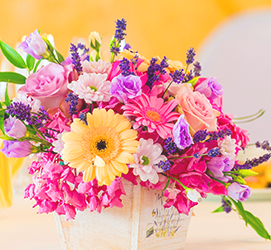
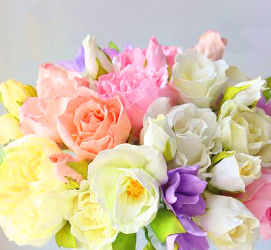
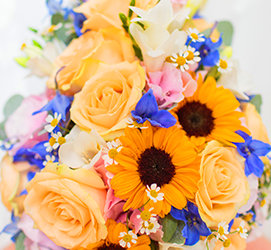
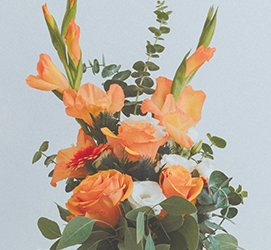
Mortlake wedding flowers trends 2026 to book now
Posted on 02/10/2026
If you are planning a wedding in Mortlake, flowers are one of those details that quietly shape the whole day. They set the mood the second guests arrive, they show up in every photo, and they can make a small venue feel beautifully considered without looking overdone. The latest Mortlake wedding flowers trends 2026 to book now are all about texture, cleaner colour stories, seasonal thinking, and arrangements that feel personal rather than copied from a catalogue. Truth be told, the couples who book early usually get the best fit for their style, their budget, and their date.
This guide breaks down what is changing for 2026, what is worth booking now, and how to choose flowers that suit Mortlake weddings in real life, not just on a mood board. You will also find a practical step-by-step plan, common mistakes to avoid, and a checklist you can actually use.
- Why the 2026 flower trends matter in Mortlake
- How the planning and booking process works
- Key benefits and practical advantages
- Who this is for and when it makes sense
- Step-by-step guidance
- Expert tips for better results
- Common mistakes to avoid
- Tools, resources and recommendations
- Law, compliance, standards, or best practice
- Options, methods, or comparison table
- Case study or real-world example
- Practical checklist
- Conclusion
- Frequently asked questions
Why Mortlake wedding flowers trends 2026 to book now Matters
Wedding flowers are not just decoration. They affect the atmosphere, the ceremony flow, the photographs, and even how coordinated the day feels. In Mortlake, where couples often mix classic venues, riverside settings, parish spaces, and intimate receptions, flowers have to do a bit of everything. They need to feel elegant, but not stiff. Fresh, but not flashy. And ideally, they should survive transport, weather shifts, and the slightly chaotic pace of a wedding morning.
So why is 2026 different? Because floral style is moving further toward personalised design and away from one-size-fits-all packages. Couples are asking for bouquets and centrepieces that feel softer, more seasonal, and less overworked. There is also a stronger focus on booking ahead, which matters more than people realise. Popular flowers, experienced florists, and specific colour palettes can disappear early, especially for spring and summer dates.
For Mortlake couples, booking now is not panic. It is smart planning. If you want a certain look, or you know you want a florist who can build something cohesive across bridal bouquets, bridesmaid flowers, buttonholes, and table arrangements, early enquiry gives you options. Leaving it too late can mean settling for whatever is available. Nobody wants that on a day this important.
Expert summary: the strongest 2026 wedding flower plans are not the most complicated ones. They are the ones that feel intentional, suit the venue, and use flowers that are realistic for the season and the schedule.
There is also the local element. Mortlake weddings often benefit from arrangements that work well in natural light, can move easily between ceremony and reception, and still look polished in a London setting. That is a small detail, but it matters more than people think. Especially when the photos are being taken by the window at 4pm and the bouquets are still holding their shape beautifully.
How Mortlake wedding flowers trends 2026 to book now Works
The easiest way to think about 2026 wedding flowers is this: trend plus timing plus practicality. A trend on its own is just an idea. A booked flower plan is something that fits the venue, season, guest count, and budget.
In practice, the process usually works like this:
- You choose your broad style direction, such as modern romantic, garden-inspired, sculptural, or timeless classic.
- You decide what matters most: bouquet impact, ceremony flowers, reception tables, or a full floral story across the day.
- You check what is realistic for your wedding month. A florist can usually guide you on which flowers are likely to be at their best.
- You reserve the date and begin refining the palette, scale, and finishing details.
- You confirm the final plan close to the wedding, once timing and guest numbers are locked in.
The booking part matters because flowers are not bought and arranged the same day in a vacuum. They are sourced, conditioned, styled, stored, and delivered. If your concept depends on a very specific bloom or a particularly intricate design, that takes lead time. And if you want matching bridal and bridesmaid bouquets, or coordinated buttonholes and table flowers, the florist needs room to plan the whole set properly.
In 2026, the best results are likely to come from clear briefs. A florist can work wonders, but they cannot read minds. If you say "soft and elegant" but also "bold and very structured," that is not impossible, but it needs a conversation. A good one, ideally over a proper sample image board and a clear budget. Not a frantic message at 11:42pm the week before. We have all seen that happen.
For some couples, the most useful starting point is browsing wedding-specific collections such as wedding flowers, then narrowing down the individual pieces you actually need, like bridal bouquets, bridesmaid bouquets, buttonholes, and table arrangements.
Key Benefits and Practical Advantages
Booking wedding flowers early is not only about securing the date. It gives you better design control, calmer planning, and usually a more cohesive result. That is especially useful if you are juggling venue decisions, dress fittings, transport, and all the other moving parts that seem to multiply the second a wedding spreadsheet appears.
- Better access to popular blooms: seasonal favourites and premium flowers are easier to secure when booked in advance.
- More design choice: early planning gives space to refine the palette, shape, and scale instead of taking what is left.
- Stronger venue fit: Mortlake venues vary, so a tailored floral plan can reflect the light, layout, and tone of the space.
- Less last-minute stress: once flowers are reserved, one major job is off your shoulders.
- More consistent styling: the bridal bouquet, ceremony flowers, and reception arrangements can all feel like part of the same story.
- Better budget control: it is easier to decide where to spend and where to simplify when you are not under pressure.
There is a practical bonus too. When you book now, you are more likely to have time for thoughtful substitutions if a bloom becomes unavailable. That is normal in floristry, by the way. The skill is not promising impossible things; it is building a beautiful result with the flowers that make sense for the season.
For couples who want a more premium look, the 2026 direction leans into layered textures and quiet luxury. Think roses with lisianthus, orchids with lighter seasonal blooms, or a bouquet that uses a restrained palette but still has movement and depth. It is not shouting. It is whispering very elegantly.
Who This Is For and When It Makes Sense
This topic is for anyone planning a Mortlake wedding in 2026, but it is especially relevant if any of the following sound familiar:
- You want flowers that look current without being overly trendy.
- You are planning a spring or summer wedding and expect high demand.
- You care about photographs and want flowers that hold up visually all day.
- You need multiple floral pieces, not just one bouquet.
- You want the flowers to suit a specific venue style, from intimate and classic to more modern and polished.
- You are trying to balance a realistic budget with a strong visual result.
It also makes sense if you are the sort of couple who notices details. The ribbon finish on the bouquet, the way a table arrangement sits beside glassware, the difference between white-white and soft-ivory flowers under indoor light. These things matter. Maybe not to everybody, but to the people getting married? Definitely.
If you are still early in the planning journey, this is a good stage to think in terms of style families rather than exact flower names. For example, do you lean towards creamy and romantic, fresh and airy, bold and sculptural, or loose and natural? That answer will steer almost everything else.
Step-by-Step Guidance
If you want to book Mortlake wedding flowers with less faff and better results, follow this sequence.
1. Start with the wedding mood, not the flowers
Do you want the day to feel romantic, editorial, rustic, modern, or timeless? That emotional tone makes all the difference. A bouquet should support the atmosphere, not compete with it.
2. Match the flowers to the venue and season
A riverside venue, a church ceremony, and a candlelit reception each ask for something slightly different. Spring weddings often suit lighter, fresher flowers, while autumn can handle richer tones and deeper textures. There is no need to force a January look into a July wedding. Let the season help you.
3. Decide your floral priorities
Some couples want the bouquet to be the hero. Others care most about the ceremony arch or reception tables. Be honest about where your guests' eyes will go first. If budget matters, put money where people will actually notice it.
4. Choose a palette that works in real light
What looks perfect on a phone screen can look flatter in daylight or too warm under indoor lighting. Soft whites, blush, ivory, muted peach, sage, dusty lilac, and gentle coral are all strong 2026 choices because they photograph well and feel easy to live with across the day.
5. Reserve early and leave room for flexibility
Once you know your date, book. Then refine. That order is safer than spending weeks tweaking details while the calendar slips away. A florist can usually suggest substitutes that keep the design intact even if one flower becomes unavailable.
6. Confirm logistics closer to the date
Final guest counts, table layouts, delivery times, and ceremony schedules all affect the floral plan. It sounds dull, I know. But the difference between a smooth delivery and a slightly frazzled wedding morning is often just good logistics.
7. Plan for the after-life of the flowers
If you want to repurpose ceremony flowers for the reception, say so early. If you want bouquets preserved, talk about that too. If you simply want everything to look gorgeous and then go home with the bridesmaid bouquets for Sunday morning, fine as well. It is your day.
Expert Tips for Better Results
Here is where the practical know-how pays off. These are the details that often separate a good floral plan from one that feels quietly brilliant.
- Think in layers: one flower type alone can feel flat; layering textures creates more depth without making the design busy.
- Use foliage carefully: greenery should frame the flowers, not swallow them.
- Do not overspecify every bloom: leave room for your florist to choose the best stems available.
- Ask how arrangements will travel: a bouquet might look perfect at the shop but behave differently once it has been in a car for 30 minutes.
- Consider scent: some flowers smell lovely up close but can feel overpowering indoors. A mixed approach is usually safer.
- Choose one standout element: a dramatic bouquet, a striking aisle piece, or a beautiful table design. One strong feature often beats five competing ones.
In 2026, less cluttered designs will continue to feel fresh. That does not mean plain. It means edited. There is a difference, and a very important one. A bouquet with lovely roses, lisianthus, and a few well-placed orchid details can feel more luxurious than a larger, overfilled arrangement trying to do everything at once.
Another useful tip: bring your florist references that show what you do not like, not just what you do. That saves a lot of guesswork. A tiny example, but it helps enormously. No one wants to accidentally create a bouquet that feels too tropical when you were aiming for classic London romance.
Common Mistakes to Avoid
Most flower regrets come from rushing, guessing, or not thinking through the full wedding day. The good news is that these mistakes are all avoidable.
- Booking too late: by the time you enquire, your preferred florist or bloom may already be unavailable.
- Chasing a trend without context: not every viral floral style suits every venue or season.
- Ignoring the venue colours: flowers should complement the room, not fight against it.
- Forgetting the supporting pieces: buttonholes, bridesmaid bouquets, and table flowers all need to work together.
- Choosing flowers purely by image: some arrangements look simple but are actually highly involved; others are the reverse.
- Underestimating transport and timing: flowers need to arrive fresh and be handled properly.
- Not setting a priority list: if everything is equally important, budgeting becomes messy very quickly.
A quieter mistake is assuming all white flowers are the same. They are not. Ivory, crisp white, cream, and soft blush-white each behave differently in photographs. Under a warm ceremony space, a white bouquet can suddenly look more cream than you expected. Not bad, just different. Better to know in advance.
And yes, another one: forgetting to think about comfort. Large bouquets can look stunning, but if you cannot hold them properly during a long ceremony, they become annoying. A gorgeous nuisance is still a nuisance.
Tools, Resources and Recommendations
You do not need a mountain of tools to plan wedding flowers well, but a few simple resources make the process much easier.
- A mood board: collect images of bouquets, table settings, dresses, and venue interiors so you can spot recurring themes.
- A guest and table estimate: this helps determine how many centrepieces or accent pieces you actually need.
- A colour reference: even a fabric swatch or dress photo can help your florist get the tone right.
- A budget split: divide what you want to spend across bouquet, ceremony, reception, and extras.
- A delivery timeline: write down when the flowers need to arrive, who will receive them, and where they will go.
For product ideas, it can help to browse single items and collections together. A bridal bouquet is only one part of the story, and seeing the full range makes it easier to keep everything coherent. Helpful places to start include bridal bouquet styles, matching bridesmaid options, wedding corsages, and the broader wedding collection range.
If you are still deciding between a soft romantic look and something more polished, collections like White Wonders, Pure Romance, and Forever Yours can help you compare styles without feeling overwhelmed.
Law, Compliance, Standards, or Best Practice
For wedding flowers, there is usually no heavy compliance burden in the way there might be for food, transport, or licensed activities. Even so, good practice still matters. Florists working in the UK should handle products responsibly, deliver what has been agreed, and communicate clearly about substitutions, timing, and care. That is basic professionalism, really.
From a customer perspective, best practice includes:
- Clear written confirmation of what has been ordered.
- Transparent delivery expectations.
- Reasonable information about substitutions if a flower is unavailable.
- Care instructions for keeping flowers fresh before the ceremony.
- Fair terms for cancellations, refunds, or changes.
It is also sensible to ask about sustainability, especially if that matters to you. Some couples prefer seasonal flowers, reusable containers, or a lower-waste approach. If that is part of your brief, mention it early. Likewise, if you need accessibility support for delivery or collection, that should be discussed in advance so nothing feels awkward on the day.
For peace of mind, check policies such as terms and conditions, guarantees, delivery information, and flower care guidance. If you are conscious about ethical sourcing and responsible business practice, the site's sustainability page is worth a look too.
Options, Methods, or Comparison Table
Different wedding flower approaches suit different couples. Here is a simple comparison to help you decide what fits your 2026 Mortlake wedding best.
| Approach | Best for | Strengths | Watch-outs |
|---|---|---|---|
| Classic romantic | Timeless weddings, church ceremonies, elegant receptions | Feels graceful, photographs well, easy to coordinate | Can feel generic if not personalised |
| Modern minimalist | Clean venue styling, contemporary couples | Looks polished and current, easy to edit for budget | Needs very careful stem choice so it does not look sparse |
| Garden-inspired | Loose, natural weddings with a softer feel | Fresh, airy, relaxed, flattering in daylight | Can become messy if overfilled |
| Luxury layered | Statement weddings, premium styling, formal spaces | Feels rich, detailed, and memorable | Higher cost and more planning needed |
| Seasonal and sustainable | Eco-conscious couples, budget-aware planning | Practical, locally sensible, often easier to source | Palette may need more flexibility |
There is no single right choice here. The best option is the one that suits your venue, your dress, your photography style, and your actual day. Not just your Pinterest board at midnight, lovely as that board may be.
Case Study or Real-World Example
Consider a hypothetical Mortlake wedding with a spring ceremony and an early evening reception. The couple wants something elegant but not too formal. They also need bouquets for the bride and three bridesmaids, buttonholes for the wedding party, and table flowers for a smaller seated dinner.
Instead of trying to use dozens of different flowers, they choose a restrained palette: ivory, soft blush, and muted green. The bridal bouquet becomes the main feature, using roses and lighter textural flowers. The bridesmaid bouquets are smaller and simpler, but still tied in to the same palette. Buttonholes are kept neat and minimal so they do not overpower the suits. Table arrangements are low and airy, so guests can speak across the tables without moving anything out of the way.
The result? The flowers feel cohesive from start to finish. Nothing shouts. Nothing fights. The room feels calm and expensive in the best way. Guests notice the flowers, but they do not feel as if the flowers are bossing the day around.
What made it work was not just style. It was the planning sequence. The couple booked early, chose a seasonal direction, and stayed open to a few substitutions once the final flower choice was confirmed. That combination tends to produce the smoothest results, and it is especially useful when you want the flowers to look natural rather than over-designed.
Practical Checklist
Use this checklist when you are ready to move from ideas to booking.
- Decide your wedding flower style in one sentence.
- Pick your top three priorities: bouquet, ceremony, reception, or supporting florals.
- Confirm your wedding month and likely seasonal direction.
- Set a realistic budget range before requesting designs.
- Gather a small mood board with 5 to 10 images.
- Note any flowers or colours you want to avoid.
- Check whether you need bridesmaid bouquets, buttonholes, corsages, or table arrangements.
- Ask about delivery timing and who will receive the flowers.
- Review care instructions for the wedding morning.
- Confirm terms, guarantees, and any substitution policy.
- Make sure the final plan works in your venue's light and layout.
If you can tick most of those boxes, you are in good shape. Not perfect, just ready. And ready is the point.
Conclusion
Mortlake wedding flowers trends 2026 to book now are moving toward thoughtful, seasonal, and beautifully edited designs. The strongest looks are likely to combine texture, soft colour, and practical planning so the flowers feel right from first arrival to final photograph. If you focus on the venue, the season, and the overall mood of the day, you will end up with flowers that look intentional rather than rushed.
The real win is this: booking now gives you time to choose well. Time to compare styles. Time to refine the brief. Time to enjoy the process instead of sprinting through it. That alone can make the whole wedding planning experience feel calmer. A little calmer, anyway.
Get a free quote today and see how much you can save.
If you are ready to explore specific arrangements, start with the wedding collection, then narrow it down to bouquets, buttonholes, and table flowers that suit your day. The best floral plans always feel like they belong to the couple, not to a trend cycle. That is what makes them memorable.
Frequently Asked Questions
What are the biggest Mortlake wedding flowers trends 2026 to book now?
The strongest 2026 trends are likely to be soft romantic palettes, layered textures, seasonal flowers, and cleaner, more personalised arrangements. Couples are moving away from crowded, oversized designs and choosing flowers that feel refined, natural, and easier to integrate across the whole day.
How far in advance should I book wedding flowers in Mortlake?
As early as possible, especially if your date is in spring or summer. Booking well ahead gives you a better chance of securing your preferred florist, your chosen style, and the flowers most likely to be in season. It also makes the planning process much calmer.
Which flowers are best for a 2026 wedding look?
Roses, lisianthus, orchids, lilies, alstroemeria, and carefully chosen seasonal blooms all work well depending on the style you want. The best flowers are the ones that suit your venue, colour palette, and timing. There is no single perfect flower for every wedding.
Are seasonal flowers better for Mortlake weddings?
Usually, yes. Seasonal flowers are often fresher, more natural-looking, and easier to source. They also tend to work better with the time of year, which helps the whole arrangement feel more balanced. That said, a good florist can still include off-season favourites where appropriate.
How do I choose the right wedding bouquet style?
Start with your dress, venue, and overall mood. If your dress is detailed, a softer bouquet may work best. If your venue is clean and modern, something more sculptural may suit it. The bouquet should complement the whole look, not compete with it.
Can I reuse ceremony flowers at the reception?
Yes, and it is often a smart way to stretch your budget. Many couples reuse aisle flowers, pedestal arrangements, or altar flowers around the reception space. Mention this early so the florist can design the flowers with movement and repurposing in mind.
What should I include in my wedding flowers budget?
Think beyond the bridal bouquet. Include bridesmaid bouquets, buttonholes, table flowers, ceremony pieces, delivery, setup, and any extras such as corsages or floral hair details. Once you can see the full picture, the budget usually makes more sense.
How do I make my wedding flowers look more luxurious without overspending?
Focus on shape, texture, and placement rather than just quantity. A well-composed bouquet or a few strong arrangements can look more premium than lots of scattered flowers. Choosing a coherent colour palette also helps the whole day feel more polished.
Do I need matching bridesmaid bouquets and buttonholes?
They do not need to be identical, but they should feel connected. Matching is usually less about exact repetition and more about colour harmony, flower family, and style. A thoughtful mix looks more refined than a set that is too uniform.
What if a flower I want is unavailable on the wedding date?
That is where a flexible florist helps. Good florists plan for substitutions that keep the colour, shape, and overall feel of the design intact. It is worth agreeing in advance how substitutions will be handled so there are no surprises later.
Is there a best time of day for wedding flower delivery?
It depends on your ceremony and venue setup, but the key is freshness and a calm handover. Flowers should arrive with enough time for setup, but not so early that they are left sitting around. Your florist should guide you on a sensible delivery window.
Can I keep wedding flowers after the day?
Yes, many couples do. Bouquets can often be kept for drying or preserving, and table flowers can be taken home or gifted. If you want to do this, let your florist know so the flowers are arranged in a way that suits that plan.
How do I know if a florist understands my style?
Look at whether they ask practical questions, not just aesthetic ones. A florist who understands your style will want to know about the venue, light, budget, timing, and what you do and do not like. That usually tells you far more than a pretty image alone.